
wardcolson1849
About wardcolson1849
Understanding Gold IRAs: A Comprehensive Information To Precious Metallic Investments
On the earth of retirement planning, diversification is a key strategy for safeguarding one’s financial future. Amongst various funding options, Gold Individual Retirement Accounts (Gold IRAs) have gained important consideration as a method to incorporate precious metals into retirement portfolios. This text goals to provide a complete understanding of what a Gold IRA is, its benefits and drawbacks, and the way it suits into the broader panorama of retirement investing.
What is a Gold IRA?
A Gold IRA is a type of self-directed Individual Retirement Account that enables buyers to carry bodily gold, along with other treasured metals, as part of their retirement savings. Not like traditional IRAs, which usually include stocks, bonds, and mutual funds, a Gold IRA gives the chance to invest in tangible belongings. This will include gold bullion, gold coins, silver, platinum, and palladium, all of which should meet specific purity requirements set by the interior Income Service (IRS).
The first goal of a Gold IRA is to supply a hedge in opposition to inflation and financial instability. Gold has traditionally maintained its value over time, making it a lovely possibility for those wanting to protect their retirement savings from market volatility.
How Does a Gold IRA Work?
Establishing a Gold IRA involves a number of steps:
- Select a Custodian: The IRS mandates that all IRAs, together with Gold IRAs, have to be held by a certified custodian. This custodian is liable for the administration of the account, including record-preserving, tax reporting, and the safekeeping of the bodily gold.
- Fund the Account: Traders can fund a Gold IRA through various means, including transferring funds from an current retirement account (like a 401(ok) or traditional IRA) or irasgold making a direct contribution. It’s necessary to adhere to IRS contribution limits and rules relating to rollovers.
- Choose the Gold Merchandise: Buyers can select from a variety of gold merchandise, together with bullion bars, coins, and different forms of precious metals. The IRS has particular guidelines relating to the types of gold that can be included in a Gold IRA, which usually should be produced by an authorised refiner and meet a minimum purity level (typically 99.5% for gold).
- Storage: Physical gold have to be saved in an authorised depository. Investors can’t keep the gold at residence or in a personal safe, as this would violate IRS regulations. The custodian sometimes arranges for storage in a secure, insured facility.
- Withdrawals and Distributions: When the investor reaches retirement age, they will start to withdraw from their Gold IRA. Distributions can be taken in cash or within the type of physical gold, but it’s essential to know the tax implications of each possibility.
Advantages of a Gold IRA
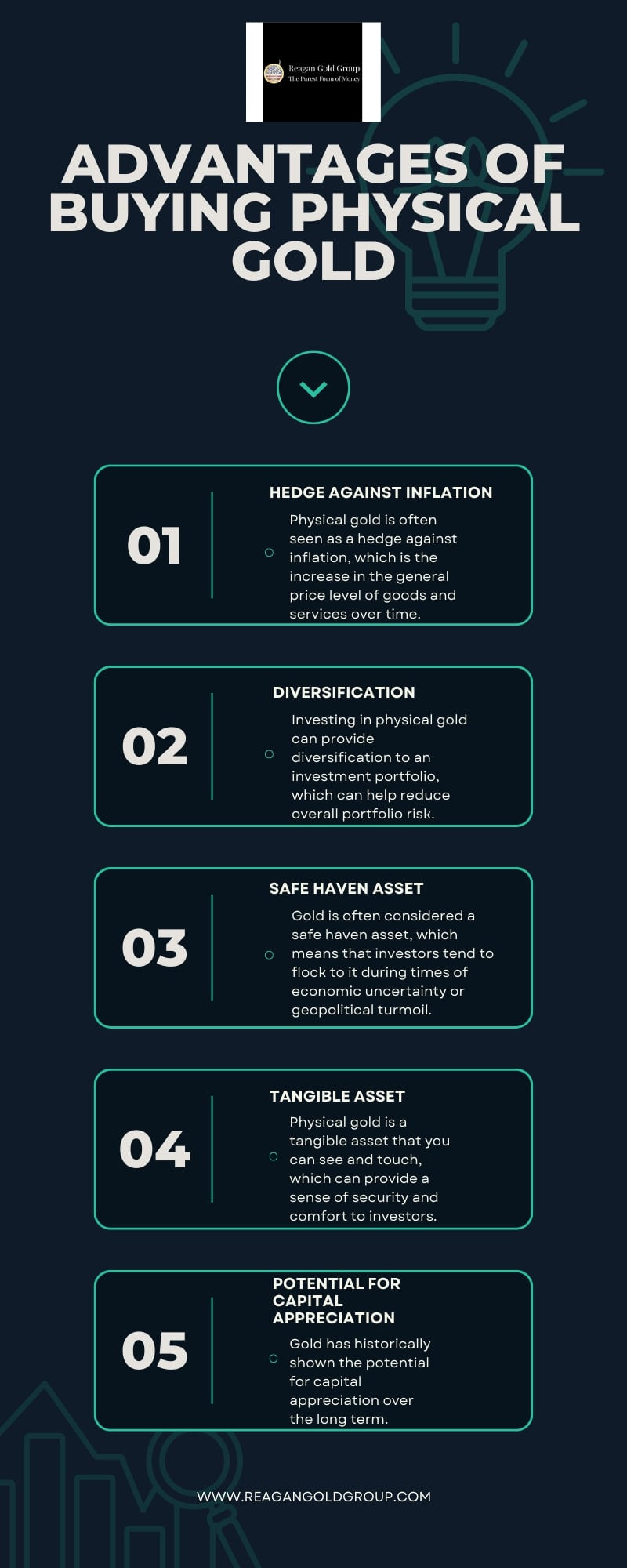
- Inflation Hedge: Gold is usually seen as a secure-haven asset, significantly throughout times of economic uncertainty. It tends to retain its value even when fiat currencies depreciate, making it a preferred alternative for protecting purchasing power.
- Portfolio Diversification: Including gold in a retirement portfolio can present diversification, which might reduce total danger. Gold usually has a low correlation with conventional asset classes, resembling stocks and bonds, that means it could perform effectively even when other investments are struggling.
- Tangible Asset: In contrast to stocks or bonds, gold is a bodily asset that investors can hold. This tangibility can provide a sense of security, significantly for individuals who may be wary of digital or paper investments.
- Potential for Development: While gold is primarily seen as a store of worth, it can even appreciate over time. Components reminiscent of provide and demand dynamics, geopolitical tensions, and adjustments in financial coverage can all influence gold costs.
Drawbacks of a Gold IRA
- Higher Fees: Gold IRAs often include larger charges in comparison with traditional IRAs. Custodial charges, storage fees, and transaction charges can add up, probably eating into funding returns.
- Restricted Investment Options: While a Gold IRA allows for funding in precious metals, it does not provide the identical degree of diversification as a standard IRA, which includes a wider vary of asset courses.
- Market Volatility: Though gold is usually thought-about a stable investment, its prices can nonetheless be volatile in the short term. Investors ought to be prepared for fluctuations and perceive that gold doesn’t at all times respect in worth.
- Regulatory Compliance: Gold IRAs should adhere to strict IRS laws, which may complicate the investment course of. Investors need to ensure they’re working with reputable custodians and dealers to keep away from potential pitfalls.
Conclusion
A Gold IRA could be a worthwhile addition to a retirement portfolio, providing a unique technique to diversify investments and protect against economic uncertainty. Nonetheless, it is important for investors to do their due diligence and totally perceive the implications of investing in valuable metals. By weighing the advantages and drawbacks, individuals could make informed selections that align with their monetary goals and threat tolerance.
As with any funding, consulting with a financial advisor or retirement planning professional is beneficial to make sure that a Gold IRA matches into an general funding technique. With the precise approach, a Gold IRA can function a strong software for building a secure financial future in retirement.
No listing found.